

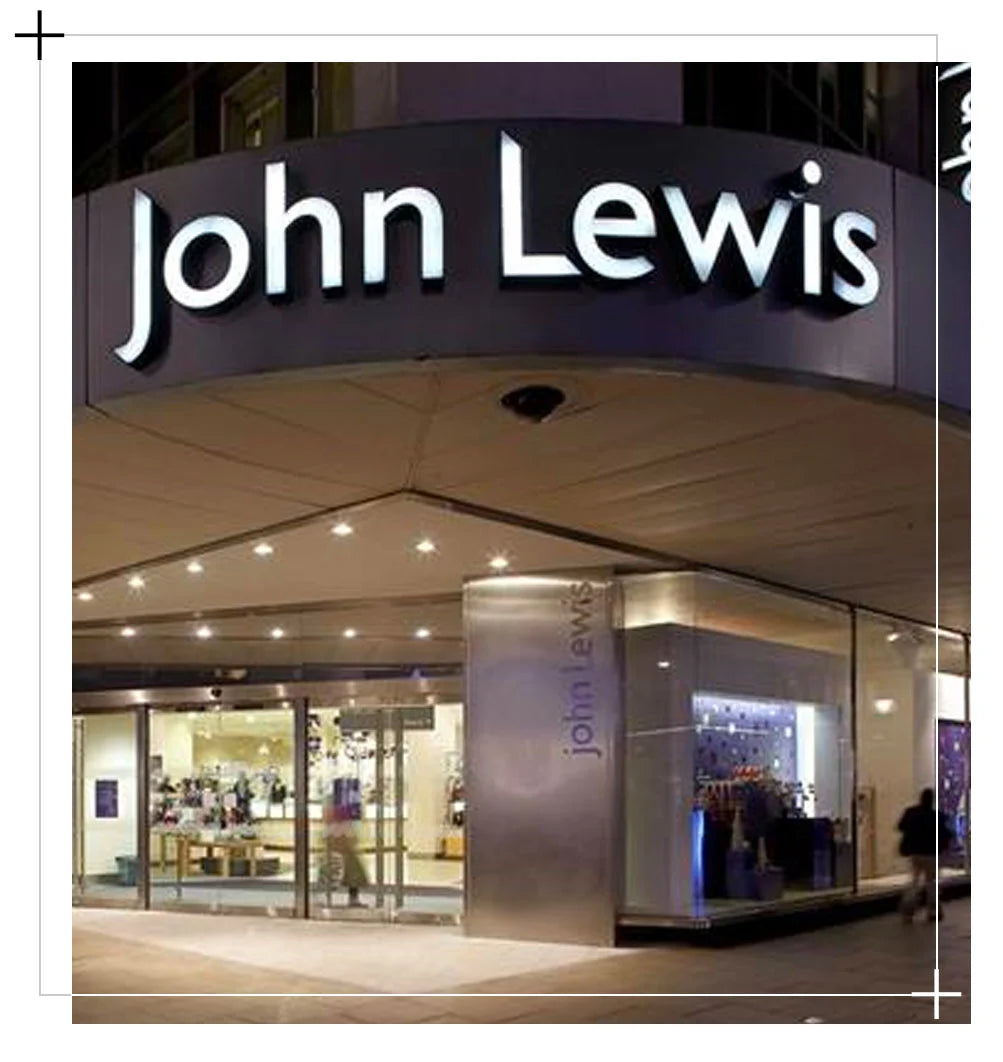
Custom built dashboard that helps John Lewis make better marketing decisions
Using an array of technology and data experts, we collected complex market data and built an accessible data dashboard containing highly-valuable, in-depth competitor information.
-
100K
PRODUCTS
-
83
CATEGORIES
-
1
COMPREHENSIVE DASHBOARD

Objectives
Home & Garden retailer John Lewis set Honcho the objective of collecting complex market data and creating an easily accessible data Dashboard that contains highly-valuable data regarding competitor abundance and pricing.
The dashboard was to include:
+ Pricing trends by categories and product lines versus key competitors
+ Insights that will help product managers make decisions about new product lines or stocking products for existing categories.
+ Competitor pricing strategies, stock abundance, new product lines and discounting strategies to inform trading teams.
+ Product demand tracking
Strategy
In order to build the most comprehensive dashboard to support and inform John Lewis’s marketing and buying teams, we knew our team had to think creatively in order to collect, process, analyse and present the findings in an easy-to-read and navigate format.
Creating a dashboard of this size and scope has many stages requiring a team of experts. Our overall strategy included the following stages:
- Audit John Lewis’s taxonomy and categories
- Use custom crawlers/web-scraping technology to extract and collect competitor data
- Cleaning, sorting, mapping and analysing data
- Collect web traffic data and ranking keywords
- Use software/tools to analyse/predict trends
- Dashboard build

Results
Introducing our sophisticated data dashboard, Pulse!
Pulse is an extremely valuable tool that can be used to inform many teams at John Lewis to make strategic, data-led marketing, sales and stock decisions giving them an advantage in the market.
Pulse is continually unlocking opportunities for John Lewis as it continually tracks and updates to inform the team in real-time.
Before any purchase or marketing decisions are made, Pulse can be used to provide evidence to support the decision, or alternatively prevent the team from making poor decisions.
Interested in how we support brands in the Home & Garden sector? Explore our Home & Garden marketing services.
Benefits
- Pulse tracks the demand for products by analysing how stock levels of competing sites are changing.
- Pulse provides market trends, gaps and opportunities for SEO, visibility and connected search purposes.
- New and emerging trends identified at a category and each sub-category level through both social and search channels
- Pulse can recommend new landing pages (It recommended 1,167 new pages for John Lewis)
Explore More Case Studies
-

Sarah Raven
Paid Search, Shopping
Multi award winning paid search for garden retailer Sarah Raven
VIEW CASE STUDY

Ready to grow your business?
Tell us about your brand and we'll show you exactly where the biggest search opportunities are — and how we'd go after them.
Get in touch


Our Search Marketing Services
-

Paid Search
Turn high-intent search demand into revenue through expertly optimised PPC campaigns.
PPC SERVICES -

Digital PR
Build authoritative media signals that support rankings and brand trust.
DIGITAL PR SERVICES


Latest Blogs & Articles
-

Organic click share is rising. But search value is becoming harder to measure
For most of 2026, the dominant story in search has been that AI is taking over and traditional search is losing relevance. I have never...Read Article → -

ChatGPT Is Building Its Own Version of Google Search Console. Here's What Brands Should Do Now
OpenAI is reportedly building a dashboard that would let brands claim their business in ChatGPT and see how often it mentions them. It isn't live...Read Article → -

Ads in Google's AI Mode Are Coming to the UK. Here's How to Get Ready
Google is expanding ads in AI Mode to ten more countries, with the UK planned before the end of 2026. Your existing Search, Shopping and...Read Article → -

AI Overviews Now Appear on 88% of Commercial Keywords. Here's What That Means for Ecommerce Brands
New Semrush research shows Google's AI Overviews now appear on 88% of tracked commercial keywords, and 85% in ecommerce. These are the searches where people...Read Article → -

Consumers Are Using AI More, But Trusting It Less. What Does That Mean for Marketing?
AI adoption is accelerating, but consumer confidence is moving in the opposite direction. For brands investing heavily in AI, the challenge is no longer simply...Read Article → -

B2B SEO in 2026: Why Thought Leadership and Search Now Go Together
SEO is still one of the highest-returning channels available to B2B marketers, but the way it earns that return has changed. Industry benchmarking from First...Read Article →


